Growing fresh herbs indoors is a wonderful way to add flavor to your meals while bringing a touch of greenery into your home. Whether you have a sunny windowsill or a small corner of your kitchen, starting a small herb garden indoors can be simple and enjoyable. This guide will walk you through everything you need to know to get started, from choosing the right herbs to care tips that help your plants thrive.
Why Grow Herbs Indoors?
Indoor herb gardens are perfect for people who love cooking with fresh ingredients but may not have outdoor garden space. Some benefits include:
– Access to fresh herbs year-round
– Adds natural decor to your home
– Saves money compared to buying fresh herbs frequently
– Fun and satisfying hobby
Choosing the Right Herbs for Indoor Growing
Not all herbs thrive indoors, so it’s best to select varieties known for adapting well to indoor conditions. Here are some popular, easy-to-grow herbs for beginners:
– Basil: Loves bright, direct sunlight and warmth.
– Parsley: Prefers indirect light but needs consistent moisture.
– Mint: Very forgiving and grows quickly but can spread aggressively.
– Thyme: Needs plenty of light and prefers drier soil.
– Chives: Grows well in indirect sunlight and requires moderate watering.
– Cilantro: Likes cooler temperatures and moist soil.
What You’ll Need to Start Your Indoor Herb Garden
Before planting, gather these essential materials:
– Containers: Small pots with drainage holes. You can use traditional pots, recycled containers, or specialized herb planters.
– Potting Soil: Lightweight, well-draining potting mix designed for indoor plants.
– Herb Seeds or Starter Plants: Seeds are more affordable; starter plants offer quicker results.
– Watering Can or Spray Bottle: For gentle watering.
– Sunny Spot or Grow Light: Most herbs need 6+ hours of light daily.
– Labels: To keep track of which herb is which.
Step-by-Step Guide to Starting Your Indoor Herb Garden
1. Select a Location
Choose a spot with plenty of natural light, such as a south-facing window. If natural light is limited, consider investing in a small grow light designed for plants. Herbs need light to thrive, so 6 to 8 hours a day is ideal.
2. Prepare Your Containers
Make sure your pots have drainage holes to prevent water from pooling, which can lead to root rot. Place a small layer of pebbles or broken pottery at the bottom to improve drainage if desired.
3. Add Potting Soil
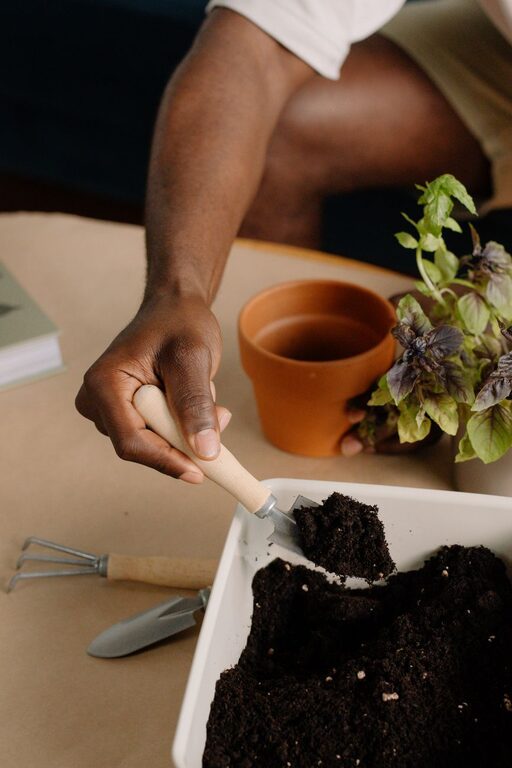
Fill your containers with a well-draining potting mix, leaving about an inch of space at the top. Avoid using garden soil as it may be too dense and contain pests.
4. Plant Your Herbs
– From Seeds: Follow the seed packet instructions for depth and spacing. Lightly cover the seeds with soil.
– From Starter Plants: Gently loosen the roots and plant at the same depth as they were in their nursery pots.
5. Water Carefully
After planting, water the soil evenly until moist but not soaked. Herbs prefer to dry out slightly between watering, so check the top inch of soil and water when it feels dry.
6. Maintain Proper Light and Temperature
Keep your herbs in temperatures between 65-75°F (18-24°C). Avoid placing them near drafts or heat sources like radiators. Rotate plants occasionally for even light exposure.
7. Fertilize Lightly
Use a balanced, water-soluble fertilizer every 4-6 weeks in small amounts. Over-fertilizing can cause excessive leaf growth but reduce flavor.
Tips for Caring for Your Indoor Herb Garden
– Prune Regularly: Trim herbs to encourage bushier growth and prevent legginess.
– Harvest Often: Frequent harvesting stimulates growth and provides fresh herbs for cooking.
– Watch for Pests: Indoor herbs occasionally attract aphids or spider mites. Use a gentle insecticidal soap if needed.
– Avoid Overwatering: Allow soil to dry slightly to prevent root problems.
– Clean Leaves: Dust your plants occasionally to keep leaves healthy.
Harvesting and Using Your Herbs
Pick herbs in the morning when their flavor is the strongest. Use sharp scissors to snip sprigs, cutting above a leaf node to encourage new growth. Fresh herbs can be added to salads, soups, sauces, or teas.
Troubleshooting Common Issues
– Yellow Leaves: Often a sign of overwatering or poor drainage.
– Leggy Plants: Not enough light; move plants closer to the window or add a grow light.
– Wilting: Could be underwatering or root problems.
– Slow Growth: May benefit from more light, fertilizer, or repotting.
Conclusion
Starting an herb garden indoors is a practical and enjoyable way to bring fresh flavors into your kitchen and a bit of nature into your home. With a little care, even beginners can grow a thriving collection of herbs that will enhance meals and brighten any space. Give it a try—you might be surprised how quickly your tiny indoor garden grows!
Happy gardening!
About the Author