Reducing food waste is an important step toward living more sustainably and saving money. Every year, millions of tons of food go uneaten and are thrown away, contributing to environmental problems and lost resources. Fortunately, there are many easy ways to reduce food waste right from your own kitchen. In this post, we’ll explore practical tips that anyone can implement to make the most of their food and reduce waste at home.
Why Reducing Food Waste Matters
Food waste has a significant impact on the environment. When food is thrown away, it not only wastes the ingredients but also the water, energy, and labor that went into producing, transporting, and storing it. Additionally, food waste in landfills produces methane, a powerful greenhouse gas. By reducing food waste, you help conserve resources and reduce greenhouse gas emissions.
Start with Smart Meal Planning
One of the best ways to reduce food waste is to plan your meals carefully. This helps you buy only the ingredients you need and prevents impulse purchases that might end up unused.
– Make a weekly meal plan: Outline your meals and snacks for the week ahead. This gives you a clear shopping list.
– Check your pantry and fridge first: Use up what you already have before buying new food.
– Shop with a list: Stick to your list to avoid purchasing excess items.
– Buy in appropriate quantities: Avoid bulk buying perishable foods unless you are sure you can use them before they spoil.
Store Food Properly
Proper storage extends the shelf life of food and helps keep it fresh for longer.
– Understand different storage needs: Some foods do better in the fridge (like dairy, eggs, and leafy greens), while others are best kept at room temperature (like onions, potatoes, and certain fruits).
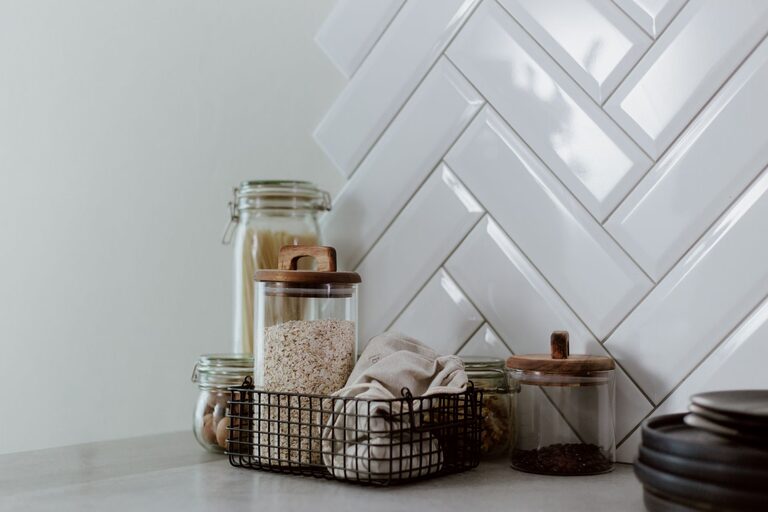
– Use airtight containers: Transfer leftovers and opened products to containers that keep air out.
– Keep your fridge organized: Place older items in front so you use them first.
– Use the crisper drawers: Adjust humidity settings to keep fruits and veggies fresher.
Use Leftovers Creatively
Instead of tossing leftovers, find ways to turn them into delicious new meals.
– Repurpose cooked vegetables: Add them to soups, stir-fries, or omelets.
– Make broth or stock: Use vegetable scraps, bones, and meat trimmings to make homemade broth.
– Freeze extra portions: Store extra portions in the freezer for quick meals later.
– Create meal combos: Combine leftovers with fresh ingredients to make salads, wraps, or casseroles.
Practice Portion Control
Serving appropriate portions can minimize plate waste.
– Start with smaller servings: You can always take more if you’re still hungry.
– Use smaller plates: This encourages reasonable portion sizes.
– Save leftovers: If someone doesn’t finish their meal, pack it for another time rather than throwing it away.
Understand Expiration Dates
Confusion about expiration dates often leads to food waste.
– “Best by” vs. “Use by”: “Best by” indicates peak quality, not safety. “Use by” is about safety and should be followed more strictly.
– Trust your senses: Look, smell, and taste food (when safe) before discarding it.
– Freeze before expiration: If you can’t use food before it expires, freeze it to extend its shelf life.
Compost Food Scraps
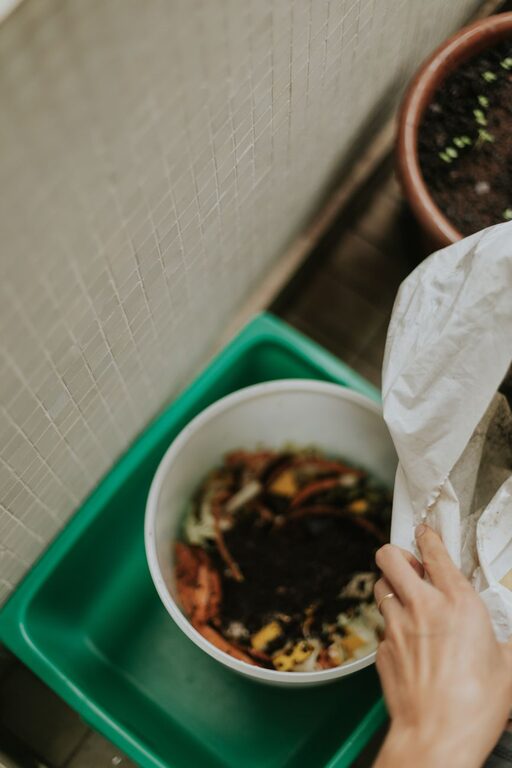
Not all food waste can be avoided, but you can compost scraps to reduce landfill waste.
– Start a compost bin: Collect vegetable peels, coffee grounds, eggshells, and other compostable materials.
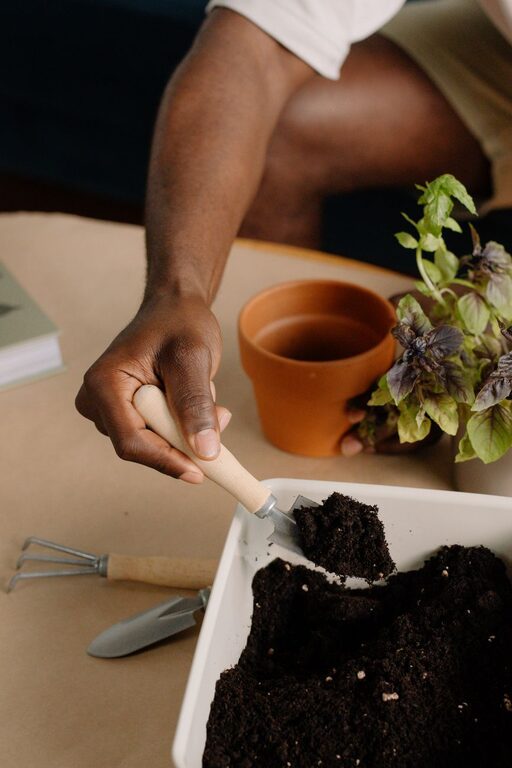
– Use compost in your garden: It enriches soil naturally.
– Check local programs: Some communities offer food scrap collection services for composting.
Shop Seasonally and Locally
Seasonal and local produce often lasts longer because it’s fresher and has traveled less distance.
– Visit farmers’ markets: They offer fresh produce and often allow smaller purchases.
– Choose fruits and vegetables in season: They are more flavorful and less likely to spoil quickly.
– Preserve surplus: When you buy in season, freeze or can extra produce to enjoy later.
Educate Household Members
Encourage everyone in your home to be mindful about food waste.
– Share these tips: Help family members understand why reducing waste matters.
– Get creative together: Cook meals as a group using leftovers or extra ingredients.
– Track your waste: Keep a waste diary to identify common causes and find solutions.
Final Thoughts
Reducing food waste at home is easier than it seems and benefits you financially and environmentally. By planning meals, storing food correctly, using leftovers, and being mindful of portions, you can make a significant difference. Every small step counts toward a more sustainable lifestyle. Start with one or two changes today and build from there!
—
By adopting these practices, you not only save money and reduce waste but also contribute to a healthier planet. What’s your favorite way to reduce food waste at home? Share your tips in the comments below!
About the Author